
By Tess Elges, Licensed Esthetician | Desert Mountain Skin Care & Massage
You want smoother-looking skin, a brighter complexion, or a little help with uneven texture. But when you open a treatment menu, the choices can feel surprisingly complicated. Should you book a facial? Ask about a peel? Choose the treatment that sounds strongest?
Start with a different question: What does your skin need right now, and what can you comfortably fit into your routine afterward?
A facial and a chemical peel can serve different purposes. Understanding those differences makes it easier to ask the right questions before your next appointment.
A facial is a treatment format; a peel is a type of exfoliation
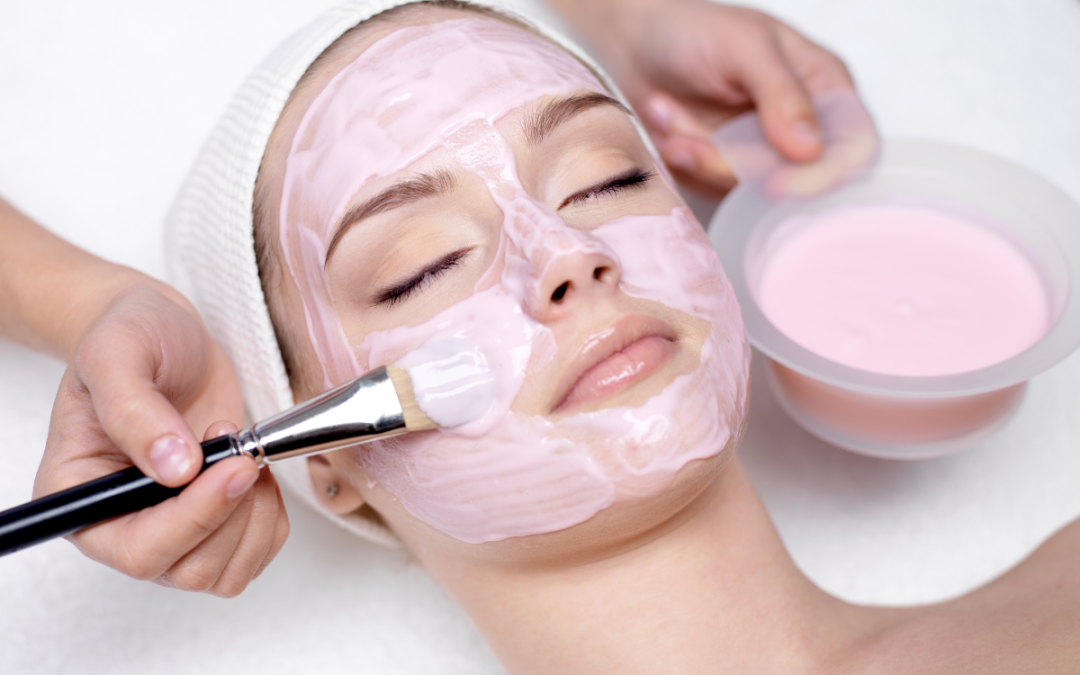
A facial can combine several steps, depending on the service: cleansing, an assessment of your skin, selected exfoliation, masks, and finishing products. Some facials include exfoliating ingredients; others emphasize comfort and hydration. The name alone does not tell you how intensive the treatment will be.
A chemical peel uses a chemical solution to exfoliate the skin. Depending on the peel and the person receiving it, treatment may improve the appearance of dullness, uneven tone, rough texture, and some fine lines. The American Academy of Dermatology describes several potential cosmetic benefits, but they are not a promise that every peel will address every concern. [1]
The two categories can overlap. What matters is the actual protocol, your skin history, and the recovery expectations.
When a facial may be the better conversation to start
If you are unsure what to book, want to discuss your current products, or prefer a treatment with fewer recovery demands, ask about a customized facial first. Explain whether your priority is comfort, hydration, texture, or preparing for an event.
At Desert Mountain Skin Care & Massage, the menu includes facial treatments and exfoliating options. Your appointment should begin with a discussion of your goals rather than an assumption that more exfoliation is always better. [5]
Explore our Korean facial treatments in Westminster for another option to discuss during your skin consultation.
For clients interested specifically in hydration, our Hydro Facial article explains that service in more detail.
When to ask about a chemical peel
If uneven tone or persistent rough-looking texture is your main concern, a peel consultation can help you understand the available options. A consultation is also the place to discuss whether your expectations fit what the treatment can reasonably achieve.
Desert Mountain requires a skin consultation for chemical peels. That requirement appears on our service menu. [5]
Peels differ in intensity and recovery. Dermatologist-performed medium and deep peels require more involved healing and care than superficial treatments. Those medical procedures should not be treated as interchangeable with a spa facial. Ask which specific treatment is being recommended, who is qualified to perform it, and what aftercare it requires. [2]
Stronger does not automatically mean better
Skin that already feels irritated needs careful assessment before additional exfoliation. The American Academy of Dermatology notes that exfoliating can increase dryness or irritation when combined with products such as retinol, prescription retinoids, or benzoyl peroxide. More aggressive exfoliation can also increase the risk of dark marks in some people. [3]
Bring a list or photographs of the products you use, including prescriptions. Tell your provider about recent treatments, reactions, sun exposure, and any medical skin condition. Do not stop prescribed treatment on your own; ask the prescribing clinician how it should fit around a cosmetic appointment.
Ask these questions before booking
- What concern is this treatment intended to address?
- What improvement is realistic, and might more than one visit be needed?
- What redness, flaking, or recovery should I expect?
- Which products should I use or avoid, and for how long?
- Does my skin history call for a dermatologist’s assessment first?
If you have an upcoming wedding, trip, or photography appointment, mention the date before selecting a treatment. Leave room for recovery rather than assuming your skin will look its best immediately afterward.
The home routine matters, too
Follow the instructions supplied for your particular treatment. Do not add a scrub or another exfoliant simply because you want faster results. Picking or scratching skin after a peel can increase complications. [2]
For everyday sun protection, the American Academy of Dermatology recommends a broad-spectrum, water-resistant sunscreen with SPF 30 or higher. After a treatment, follow the provider’s specific instructions about sun exposure and when products may be applied. [4]
Choose a plan you understand
You do not need to arrive knowing the name of the perfect peel or facial. Bring your concerns, your current products, and your questions.
At Desert Mountain Skin Care & Massage in Westminster, the next step is a conversation about your skin and your goals. Explore our treatment menu and request a skin consultation before booking a chemical peel.
Sources
1. American Academy of Dermatology: Chemical peels — overview
2. American Academy of Dermatology: Chemical peels — FAQs
3. American Academy of Dermatology: How to safely exfoliate at home
4. American Academy of Dermatology: How to select a sunscreen
5. Desert Mountain Skin Care: Services
Recommended next steps
Recommended home care
Skincare information is educational and is not a medical diagnosis. Seek medical evaluation for persistent, severe, painful, bleeding, rapidly changing, or otherwise concerning skin symptoms.